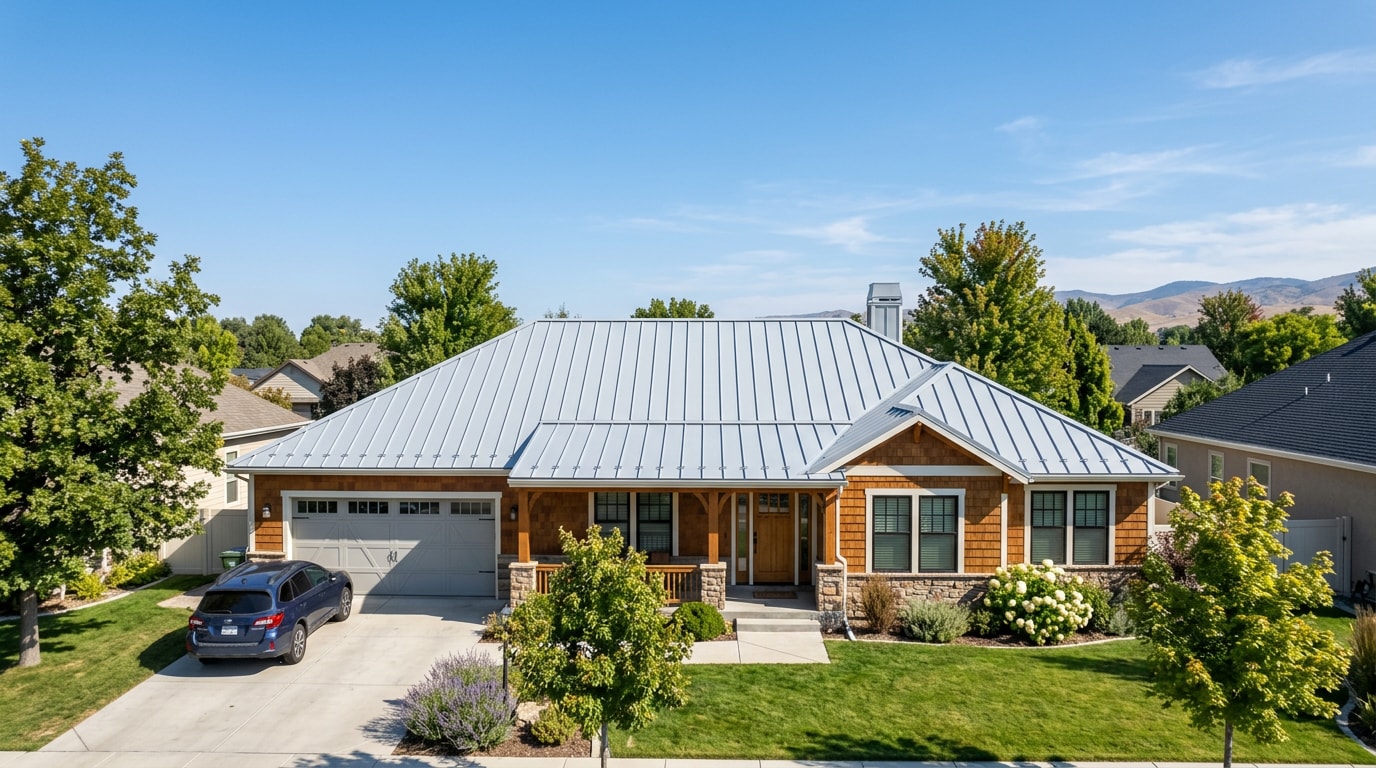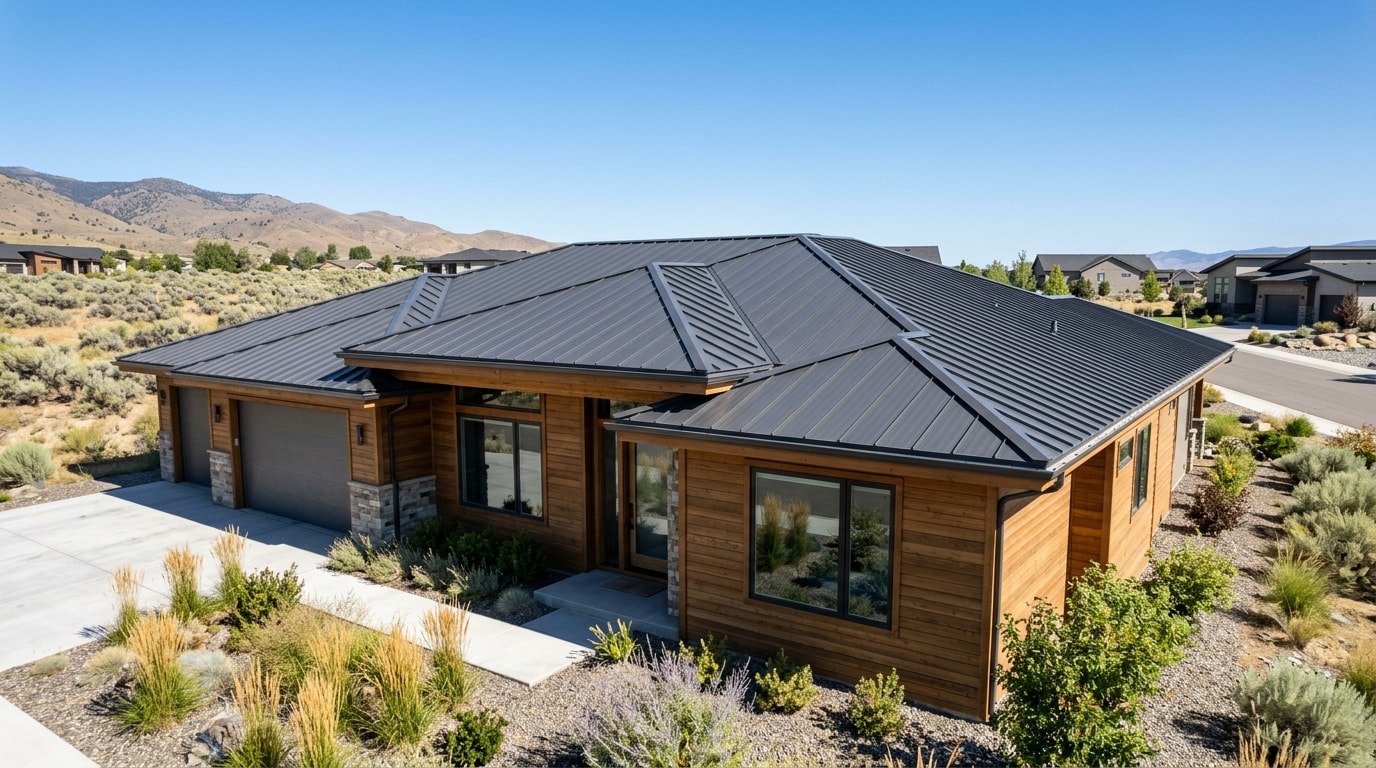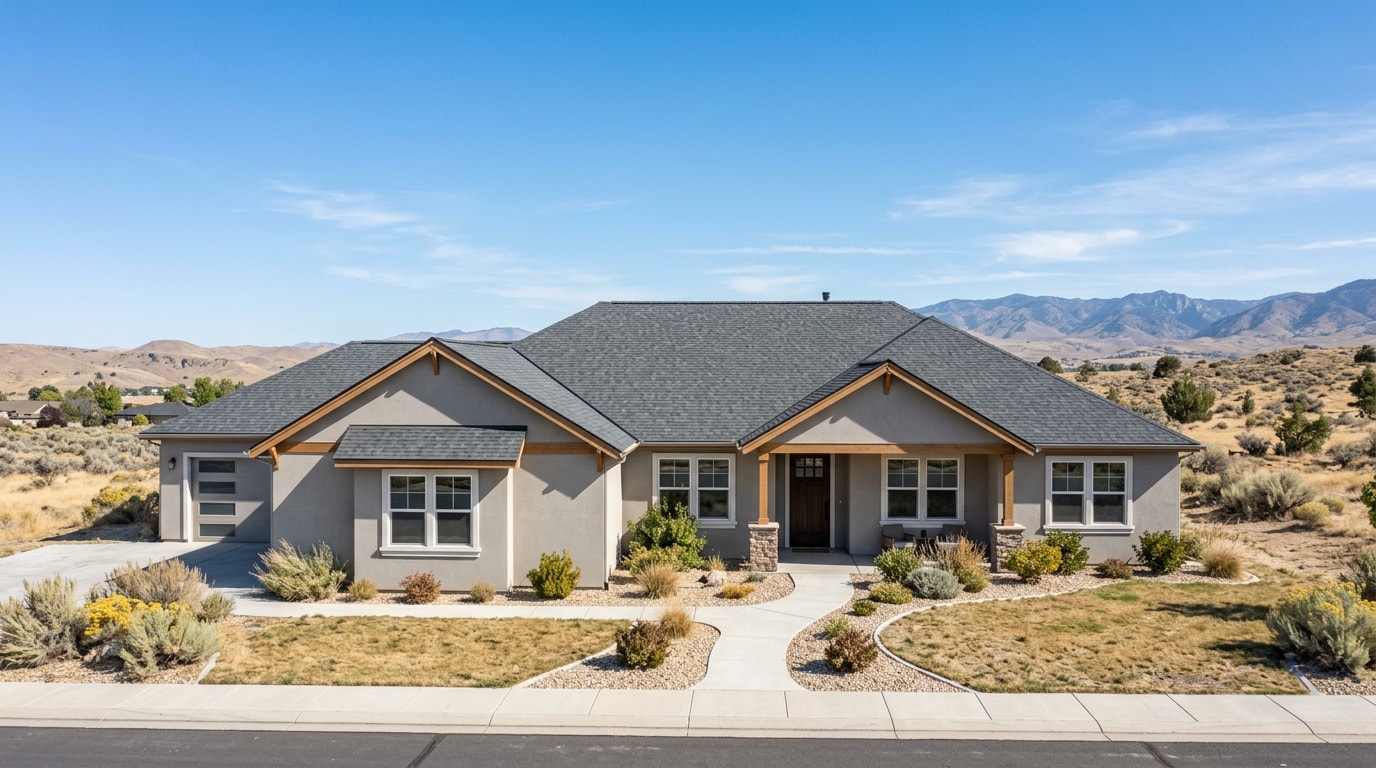
What is roofing Boise, ID really means for your home? It's the full set of services, materials, and local know-how that keep a roof watertight through hot, dry summers and heavy winter snow loads. That includes installation, repair, replacement, inspections, and storm-damage restoration, plus the contractor vetting that determines whether any of it holds up.
This guide breaks down each piece so you know what you're paying for before you sign anything.
What Roofing Services Actually Cover in Boise
Roofing in the Treasure Valley isn't one job. It's a category of related services, and most local roofing companies organize their work around five core offerings.
Roof Installation covers new construction and additions, where a roof system goes onto bare decking for the first time. Roof Replacement removes an aging or failing roof down to the deck and rebuilds it with new underlayment, flashing, and covering. Roof Repair handles smaller, localized problems like a leak or a patch of wind-lifted shingles before they spread. Roof Inspection gives you a documented condition report, useful for maintenance, home sales, or insurance. Storm Damage Repair addresses hail and wind events specifically, often working alongside an insurance claim.
A reputable roofing contractor will tell you which of these five you actually need instead of upselling a full tear-off when a repair would do.
Roof Replacement
A full roof replacement is typically needed once a roof passes 20 to 25 years old, shows widespread shingle wear, or has suffered repeat leaks that patching can't fix anymore. A contractor should inspect the decking, ventilation, and flashing before recommending a full roof replacement over another round of spot repairs. If you're weighing the decision, our guide to residential re-roofing in Meridian walks through the signs that a reroof beats a repair.
Roof Repair
Idaho's freeze-thaw cycles put real stress on seams, flashing, and seals. Common repair triggers here include a leak after spring thaw, wind-cracked shingles from a summer storm, and failing flashing around chimneys or vents. Addressing minor roof repair issues early usually costs less than waiting for them to turn into deck damage.
Storm Damage Roof Repair
Boise's wind and hail events tend to cluster in late spring and summer. Hail can bruise or crack shingles in ways that aren't visible from the ground, which is why a post-storm inspection matters. Many homeowners also need help navigating an insurance claim, since adjusters look for documented, storm-specific damage rather than general wear. A contractor offering storm damage repair should photograph findings to support your claim, not just estimate repairs verbally.

Roofing Built for Boise's High-Desert Climate
Boise sits in a semi-arid climate with hot, dry summers, intense UV exposure, and periodic winter snow. The semi-arid climate of Boise produces an average of just over eleven inches of rain and melted snow per year at the airport, and snowfall averages around 20 inches per year but can vary from a low of only a few inches to 30 to 40 inches.
Boise and the Treasure Valley also see a high frequency of nighttime precipitation in winter, with 75 percent of the total falling between midnight and 8 a.m., which often leaves roads and roofs icy before most homeowners are even awake.
That mix of light but regular snow, intense summer sun, and sudden hail shapes what a roof actually needs here:
- Snow load — roofs need structural capacity and balanced attic ventilation to avoid ice damming along eaves.
- Hail resistance — Class 3 or 4 impact-rated shingles hold up better against sudden spring and summer hail than standard three-tab products.
- UV exposure — reflective or algae-resistant shingle coatings slow long-term granule loss from constant sun.
You can check current conditions and seasonal outlooks directly from the National Weather Service's Boise office before planning a replacement around weather windows.
Roofing Materials Popular in Boise
Asphalt shingles remain the default choice for Boise homes because they balance cost, appearance, and performance well in a climate with both snow and summer heat. Architectural (dimensional) shingles generally outperform basic three-tab shingles in wind resistance, which matters during gustier spring storms.
Metal roofing has grown in popularity for its longevity, snow-shedding ability, and energy efficiency, though it costs more upfront. Tile is less common here but shows up on some Spanish- and Mediterranean-style homes.
| Material | Typical Lifespan | Best Suited For |
|---|---|---|
| Asphalt shingles | 20–30 years | Most residential homes, budget-conscious projects |
| Metal panels/standing seam | 40–70 years | Snow-heavy roofs, long-term owners, energy efficiency |
| Tile (clay/concrete) | 50+ years | Spanish or Mediterranean-style homes, structurally reinforced roofs |
If you're comparing options beyond asphalt and metal, our vinyl roofing guide for Nampa homeowners covers cost and lifespan for a less common but budget-friendly alternative, and the galvalume metal roofing guide for Mountain Home breaks down a corrosion-resistant metal option gaining ground in rural Idaho.

Roofing Warranties & Workmanship Guarantees
A solid roofing warranty covers two separate things. The manufacturer's warranty protects against defects in the material itself. There are different warranties you will come across during your roofing project, starting with the manufacturer's warranty, which generally covers defects in the manufacture of the roof covering material, with coverage ranging from 20 years to a lifetime.
The second is the workmanship warranty, which the contractor provides. The roofing contractor will also provide a workmanship warranty, which typically covers installation and related issues, and should spell out what items are covered and what will void them. Get both in writing before any work starts, and ask what voids each one. The National Roofing Contractors Association publishes consumer guidance on what a standard warranty should include if you want a second opinion before signing.
How to Vet a Boise Roofing Contractor
Idaho doesn't issue a state roofing license, but contractors are still required to register. Contractor registration in Idaho is handled by the Idaho Contractors Board, which maintains a searchable public database. Before hiring, confirm the following:
- Idaho Contractors Board registration —
for information on formal actions against registered contractors, use the public search feature available through the board's online services. Confirm active status and check for complaints.
- Proof of insurance — ask for current liability coverage, not an expired certificate.
- Local references — request addresses of recent jobs in your neighborhood, not just testimonials.
- Written estimate — full scope, materials, and timeline in writing before work begins.
- Warranty terms in writing — compare material and workmanship coverage side by side.
Treat this as a checklist, not a one-time gut check. It takes a bit longer upfront but prevents costly surprises later. Ready to compare options? Request a free estimate to get a baseline for your project.
Roofing Service Areas Across the Treasure Valley
Most Boise-based roofing companies serve the broader Treasure Valley, since weather patterns, permitting rules, and typical home styles stay fairly consistent across the region. Bullseye Exteriors works throughout Boise, Meridian, Nampa, Caldwell, and Kuna, along with outlying communities in Twin Falls, Weiser, and Mountain Home. Our crews are out on Ada and Canyon County roofs every week, which is how we know which flashing details actually survive a Boise winter and which ones just look good on paper.
Before requesting a quote, confirm a contractor actually covers your zip code rather than assuming regional overlap. A free roof inspection is the fastest way to get a straight answer on condition and scope, whether you're starting from our homepage or going straight to a specific service page.
What Roofing Costs Depend On in Boise
Exact pricing varies too much by home size, roofline complexity, and material to quote a single number responsibly. What consistently moves the price:
- Material choice — asphalt costs the least upfront; metal and tile cost more but last longer.
- Roof pitch and complexity — steep slopes, multiple valleys, and dormers add labor time.
- Tear-off scope — removing multiple old layers costs more than a single-layer tear-off.
- Decking condition — rotted or damaged decking found mid-project adds cost.
- Storm season timing — contractors are often booked solid right after a major hailstorm, which can affect both price and lead time.
Get written estimates from at least two contractors so you're comparing scope and materials, not just a bottom-line number.
FAQ
Who Are the Best Roofers in Boise, ID?
The best roofers in Boise typically share a few traits: active Idaho Contractors Board registration, verifiable insurance, consistent local reviews, and clear written warranties. Rather than chasing a single "best" name, compare several local companies against these same criteria.
Does Idaho Require a Roofing License?
No. Idaho does not issue a state-specific roofing license. Roofing companies register with the Idaho Contractors Board instead, which tracks insurance status and complaint history. You can search any contractor's registration status directly on the board's website before hiring.
How to Tell If a Roofer Is Lying?
Watch for high-pressure sales tactics, refusal to provide a written contract, or an inability to show proof of insurance. Honesty usually shows up in small things: clear answers, no rush, and a willingness to put promises in writing.
What Is the 25% Rule for Roofing?
The 25% rule is a building-code concept stating that if more than 25% of a roof surface needs repair, some jurisdictions require a full reroof rather than a partial patch. This varies by local code, so confirm specifics with your area's building department before assuming it applies to your project.
Is $50,000 for a New Roof Good?
A $50,000 price tag is high for a typical residential asphalt shingle replacement in the Boise area. That range usually only makes sense for very large homes, complex rooflines, or premium materials like standing-seam metal, slate, or tile. If a quote comes in that high for a standard asphalt job, get a second opinion.
What Should a Boise Roofing Estimate Include?
A complete estimate should spell out material and manufacturer, full scope of work, flashing and ventilation plans, approximate start and completion dates, payment terms, and warranty length and coverage. If a contractor won't put these details in writing, treat that as a red flag rather than an oversight.
Still deciding between a repair and a full tear-off? Our team can walk your roof, document the damage, and give you a straight answer. Get a free estimate from Bullseye Exteriors before you commit to either option.