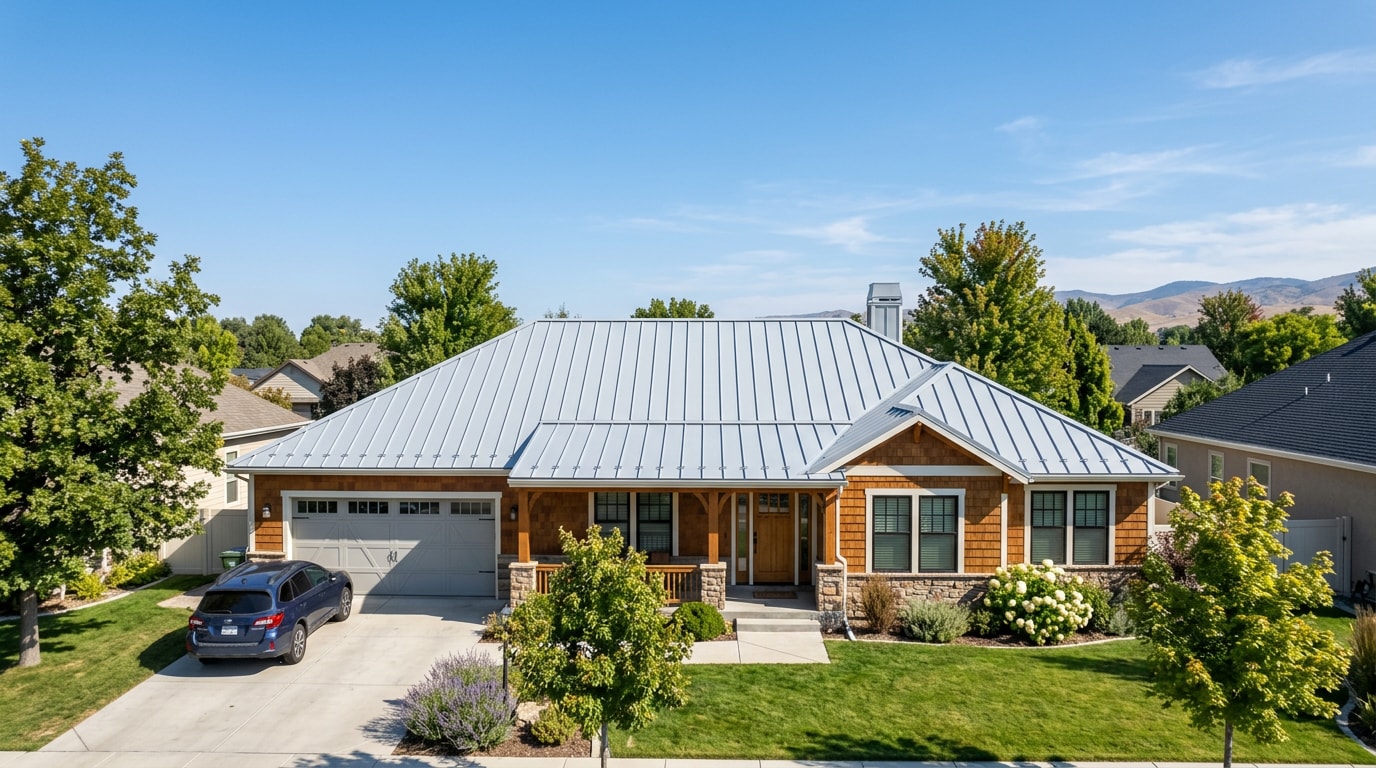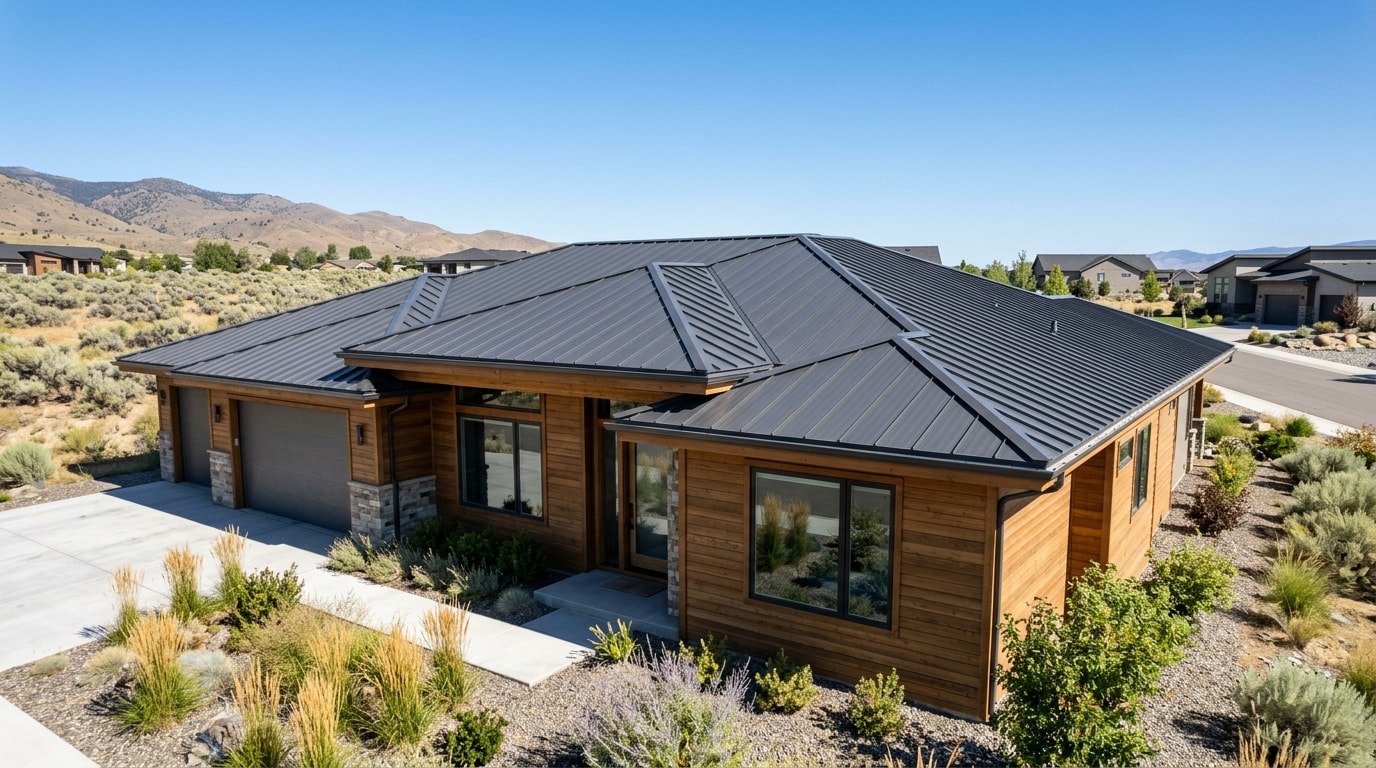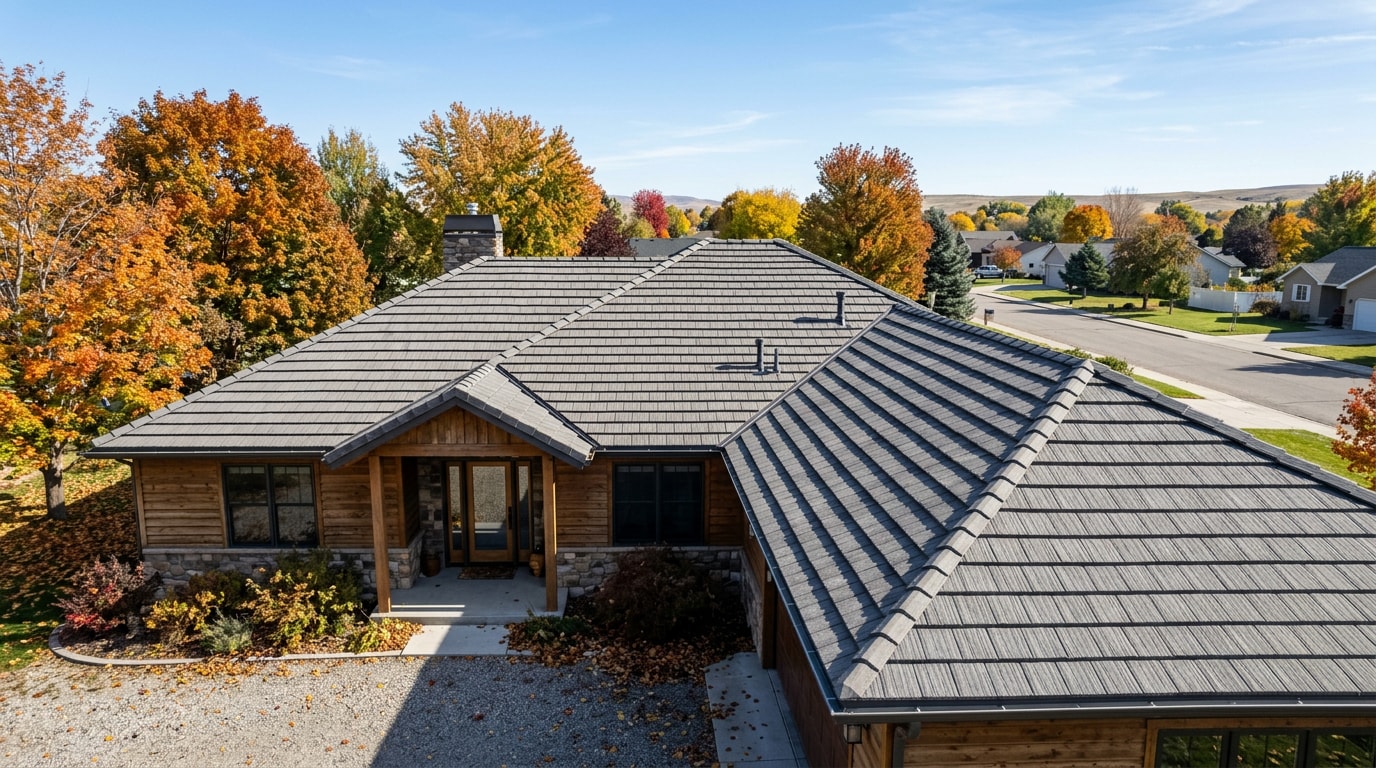
Roofing tile in Weiser, ID typically installs for $12,000 to $22,000 or more, well above the cost of asphalt shingles, because tile demands structural engineering that most quote sheets skip entirely. Before any crew sets foot on your roof, you need to know whether your home's framing can carry that extra weight through a Weiser winter. This guide breaks down real pricing, the clay-versus-concrete decision, and the structural checks a qualified contractor runs before the first tile goes down.
Roofing Tile Costs in Weiser, ID
Tile sits at the top of the roofing price range for a reason: the material is heavy, the labor is specialized, and most installations require deck or framing work that asphalt never touches.
| Material | Avg. Lifespan | Typical Installed Cost | Relative Weight |
|---|---|---|---|
| Asphalt shingle | 15-20 yrs | $ | Light |
| Metal | 40-70 yrs | $$ | Light-Medium |
| Concrete tile | 30-50 yrs | $$$ | Heavy |
| Clay tile | 50-100+ yrs | $$$$ | Heavy |
A few factors swing your final number more than the tile itself:
- Tear-off and disposal of the old roofing material
- Decking repair or reinforcement (common on homes built before modern load standards)
- Roof pitch and complexity (cut-up roofs with valleys and dormers cost more to tile)
- Batten systems and underlayment grade
- Flashing detail around chimneys, vents, and valleys
Exact pricing depends on your roof's size, pitch, and current condition. Request a free estimate and we'll walk your roof before quoting a number.

Clay vs. Concrete Tile: Which Holds Up to Idaho Winters
Both materials outlast shingles by decades, but they don't perform identically, and the difference matters more in a freeze-thaw climate like Weiser's.
Clay tiles typically last 50 to 100 years with best-case lifespan reaching 75 to 200 years, while concrete tiles last 30 to 50 years, both offering 2 to 4 times longer lifespan than asphalt shingles which last only 15 to 25 years. Weight is the tradeoff: clay tiles weigh less than concrete, making them suitable for homes with standard roof framing, while concrete tiles are significantly heavier and often require structural reinforcement before installation.
Here's the detail most cost guides leave out: the tile usually isn't what fails first. The underlayment beneath both materials requires replacement every 20 to 35 years, a distinction most homeowners overlook. That means a 50-year tile roof may still need an underlayment tear-off and relay partway through its life, even if every tile stays intact. Budget for that when you're comparing total cost of ownership, not just the sticker price.

Can Your Weiser Home Carry the Weight of a Tile Roof?
Tile roofing isn't a simple shingle swap. Concrete and clay tile add hundreds of pounds per roofing square on top of whatever snow load your roof already carries each winter, so framing that handles asphalt without issue can be undersized for tile.
Building code backs this up directly. The IRC specifies minimum requirements for installing clay and concrete tile roofing, including that tiles must be installed only over solid sheathing or spaced structural sheathing boards, with a minimum roof slope of 2.5 in 12. Lower slopes require double underlayment layers before a single tile is set.
A reputable contractor checks three things before quoting tile:
- Current rafter and decking condition
- Roof slope against code minimums
- Local snow load requirements for your specific lot and elevation
Skip this step and you risk sagging decking, cracked tile, or a roof that doesn't meet code when you go to sell the house. Our roof inspection service covers all three before we ever write a tile quote.
Tile Roof Installation: Process and Timeline
Tile installation runs on its own schedule compared to asphalt. A standard asphalt re-roof wraps up in one to three days; tile usually takes four to seven days once decking, underlayment, battens, and flashing are factored in.
The general sequence looks like this:
- Tear off existing roofing material and inspect the deck
- Repair or reinforce decking and framing as needed
- Install ice-and-water or synthetic underlayment (doubled on lower slopes)
- Set battens where the tile profile requires them
- Lay tile courses, working from eave to ridge
- Install ridge, hip, and valley flashing
Cold-climate installations have their own technical requirements beyond the standard installation manual. The Tile Roofing Institute publishes a separate Concrete and Clay Design Criteria manual specifically for cold and snow regions. That distinction matters in Washington County, where freeze-thaw cycles stress tile and flashing differently than they would in a mild coastal climate. You can review the Tile Roofing Institute's technical guidance directly. See our full roof installation process for how we sequence a tile job start to finish.
Repair or Replace? Reading the Signs on a Weiser Tile Roof
Roofs older than 20 years, multiple active leaks, or widespread damage usually point toward replacement rather than a patch. Tile follows a slightly different logic:
- A few cracked or slipped tiles, with sound underlayment beneath: a straightforward tile roof repair fixes it.
- Failed underlayment beneath intact tile: this forces a tear-off and relay even though the tile itself is fine, which is closer to a full roof replacement in scope and cost.
- Storm or hail damage: cracked tile from impact needs prompt attention before water gets behind the flashing. Our storm damage repair team handles tile-specific storm assessments.
If you're weighing a full re-roof regardless of material, our residential re-roofing guide covers the decision points that apply across Treasure Valley homes, not just tile.
Choosing a Licensed Tile Roofing Contractor in Weiser, ID
Tile carries real structural liability if it's installed wrong. Before you sign anything, confirm the registration and insurance of whoever you're hiring.
Idaho's contractor registry can be reached by email at BCRE-Licensing@dopl.idaho.gov or by phone at (208) 334-3233. Run the name through the Idaho Division of Occupational and Professional Licenses before work starts, and ask for proof of liability coverage in writing.
Beyond paperwork, look for a crew that has actually set tile, not just asphalt. Tile-specific tools, batten experience, and familiarity with cold-climate underlayment specs separate a real tile installer from a general roofer who added tile to a service list. Bullseye Exteriors serves Weiser and the surrounding Treasure Valley, and our roofing contractor team runs the structural check before quoting, not after the contract is signed.
Get a free estimate and we'll tell you honestly whether tile makes sense for your roof, or whether metal or asphalt gets you better value.
FAQ
How much does roofing tile cost in Weiser, ID?
Tile typically installs for $12,000 to $22,000 or more, depending on roof size, pitch, and whether decking reinforcement is needed. Asphalt and metal cost less but don't match tile's lifespan.
How long does tile roof installation take?
Standard asphalt installation runs one to three days. Tile takes longer, usually four to seven days, because of decking checks, batten installation, and tile handling.
Can my Weiser home structurally support a tile roof?
Not automatically. Concrete and clay tile add significant weight on top of existing snow loads, so a structural assessment of your rafters and decking should happen before you sign a tile contract.
Clay tile vs. concrete tile: which lasts longer in Idaho winters?
Clay generally outlasts concrete, often reaching 50 to 100+ years versus 30 to 50 years for concrete. Clay is also lighter, which can matter for older framing, though it can be more prone to cracking in hard freeze-thaw cycles than concrete.
Is my Weiser roofing contractor licensed and insured for tile work?
Verify registration through Idaho's Division of Occupational and Professional Licenses and ask for proof of insurance in writing. Tile-specific experience matters too: ask how many tile roofs the crew has installed, not just asphalt.
Should I repair or replace a damaged tile roof?
A few cracked or slipped tiles over sound underlayment usually just need repair. If the underlayment has failed beneath otherwise intact tile, you're looking at a full tear-off and relay, closer in scope to a replacement.