Roofing storm damage repair in Twin Falls, ID starts the moment wind, hail, or heavy snow compromises your shingles, because every hour that passes gives water more time to work into the deck. The Magic Valley swings from 100-degree summer thunderstorms to sub-zero winter freeze-thaw cycles, and each pattern stresses a roof in its own way. This guide covers what storm damage actually looks like, how the inspection and insurance process works, and how to pick a contractor who gets the repair right the first time.
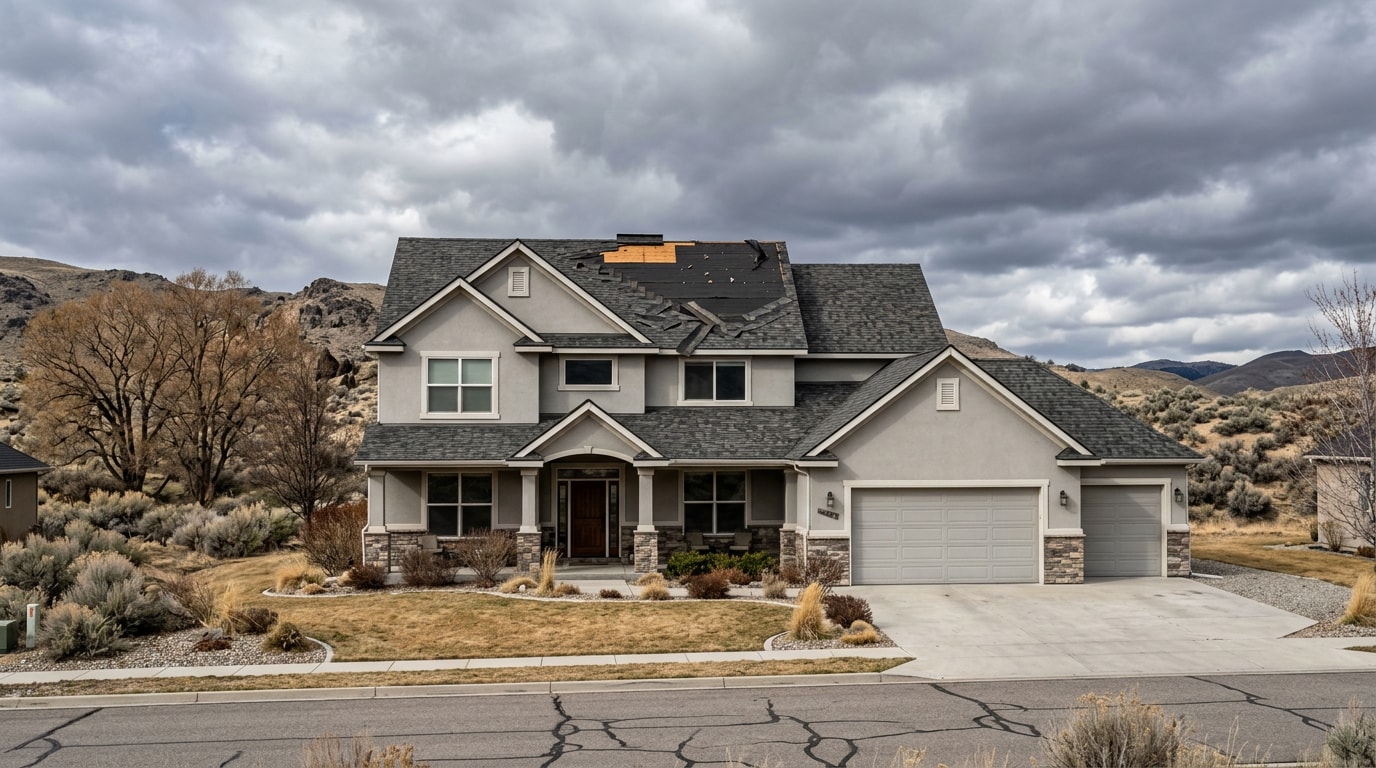
Signs Your Roof Has Storm Damage
Some storm damage is obvious from your driveway. Some only shows up once water has already found its way inside.
Visible from the ground:
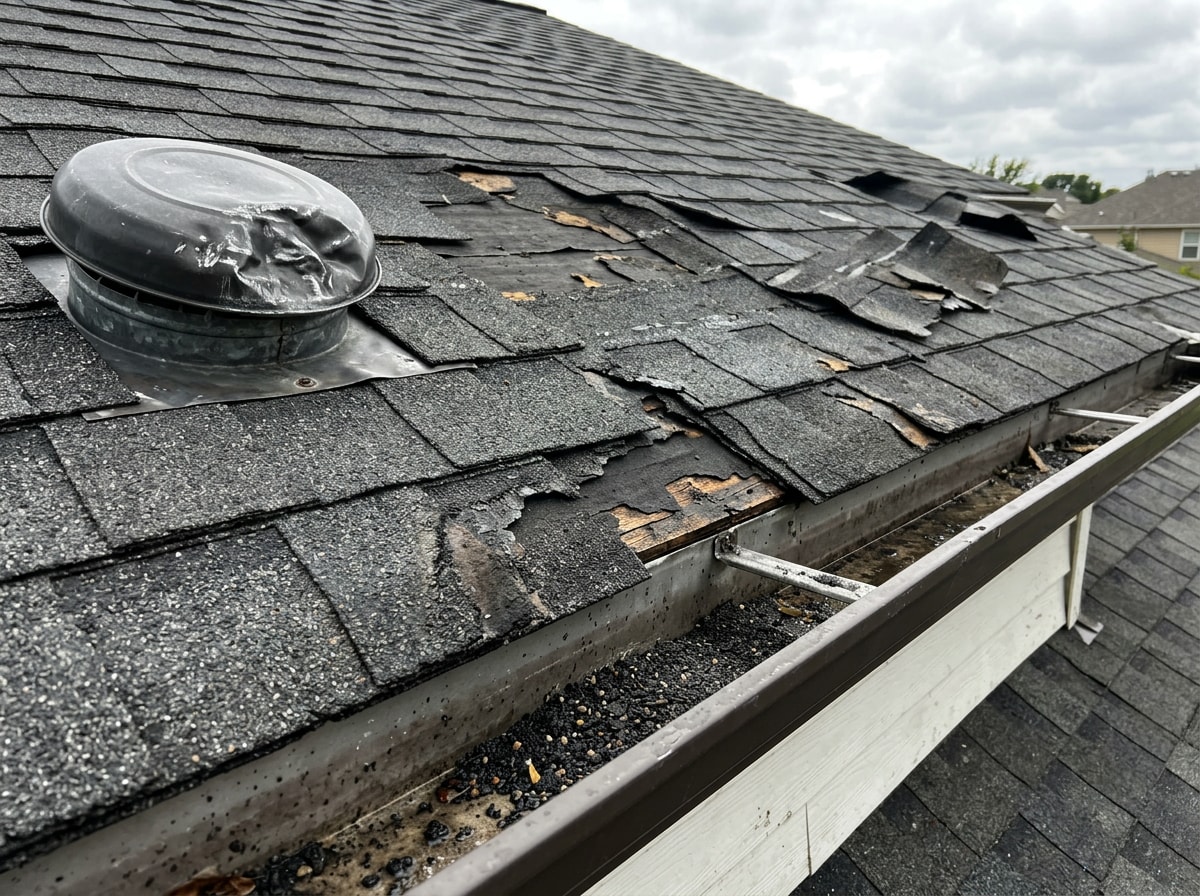
- Missing, curled, or torn shingles
- Dented gutters, vents, or roof flashing
- Granules collecting in downspouts or at the base of gutters
- Debris or shingle fragments scattered across the yard
Attic or interior clues:
- Fresh water stains on ceilings or walls
- A musty smell after a storm
- Daylight visible through the roof deck
- Damp or sagging insulation
Needs a professional eye:
- Hail bruising on the shingle mat, which rarely shows from the ground
- Compromised flashing seals around chimneys and vents
- Granule loss severe enough to shorten shingle life before a leak ever appears
Hail and wind damage frequently hide in spots a homeowner won't think to check. That's exactly why a professional roof inspection matters after any serious Twin Falls storm, even if nothing looks wrong from the street.
Twin Falls Weather: Why Wind, Not Just Hail, Is the Bigger Threat
Local storm chatter tends to focus on hail, but wind does more consistent damage to Twin Falls roofs. The Magic Valley sits in a wind corridor shaped by the Snake River Canyon, and gusts strong enough to lift improperly nailed shingles show up far more often than damaging hail does in any given year.
That distinction matters for repairs. A contractor who assumes every claim is hail-related may miss the telltale signs of wind uplift along ridgelines and roof edges, where shingles separate from the deck first.
It also matters for prevention. The Insurance Institute for Business & Home Safety has tested how fastening patterns affect wind performance, and found that switching from smooth nails to ring-shank nails with tighter spacing can roughly double a roof's wind uplift resistance. That's a detail worth asking your contractor about before your next re-roof, not just after a storm already took shingles off.
Types of Storm Damage: Wind, Hail, Snow Load & Rain
Each storm type leaves a different fingerprint on a roof.
| Storm Type | Typical Damage | Where It Shows Up |
|---|---|---|
| Wind | Lifted, torn, or missing shingles | Ridgelines, roof edges, corners |
| Hail | Bruised shingle mat, granule loss | Scattered across all slopes |
| Snow load | Stressed decking, ice dams | Low-slope areas, eaves |
| Wind-driven rain | Water forced under flashing | Valleys, chimney and vent flashing |
Hail damage is the sneakiest of the four. Impacts bruise the shingle mat and knock away protective granules without always creating a visible hole, so the damage often isn't obvious until a leak develops months later. Wind-driven rain is similarly deceptive. It doesn't take a hailstorm or blizzard to cause a problem; strong gusts alone can push water sideways into flashing and seals that were never designed to handle rain from that angle.
Why Fast Roof Repair Prevents Bigger Problems
Putting off storm damage repair almost always costs more than it saves.
A small breach lets water creep further into the roof deck with every rainfall. Once moisture settles in, mold and mildew growth can follow within days. A minor leak can quietly become structural damage to decking, trusses, or interior ceilings.
Twin Falls' freeze-thaw cycles make this worse. Water that seeps into a cracked shingle or open seam can freeze overnight, expand, and widen the damage before you've noticed a single stain indoors. Addressing damage quickly, even with a temporary fix, limits how far it spreads. If you're already dealing with a slow leak, a roof repair can usually stop the problem before the next storm makes it worse.
Emergency Storm Damage Roof Repair in Twin Falls
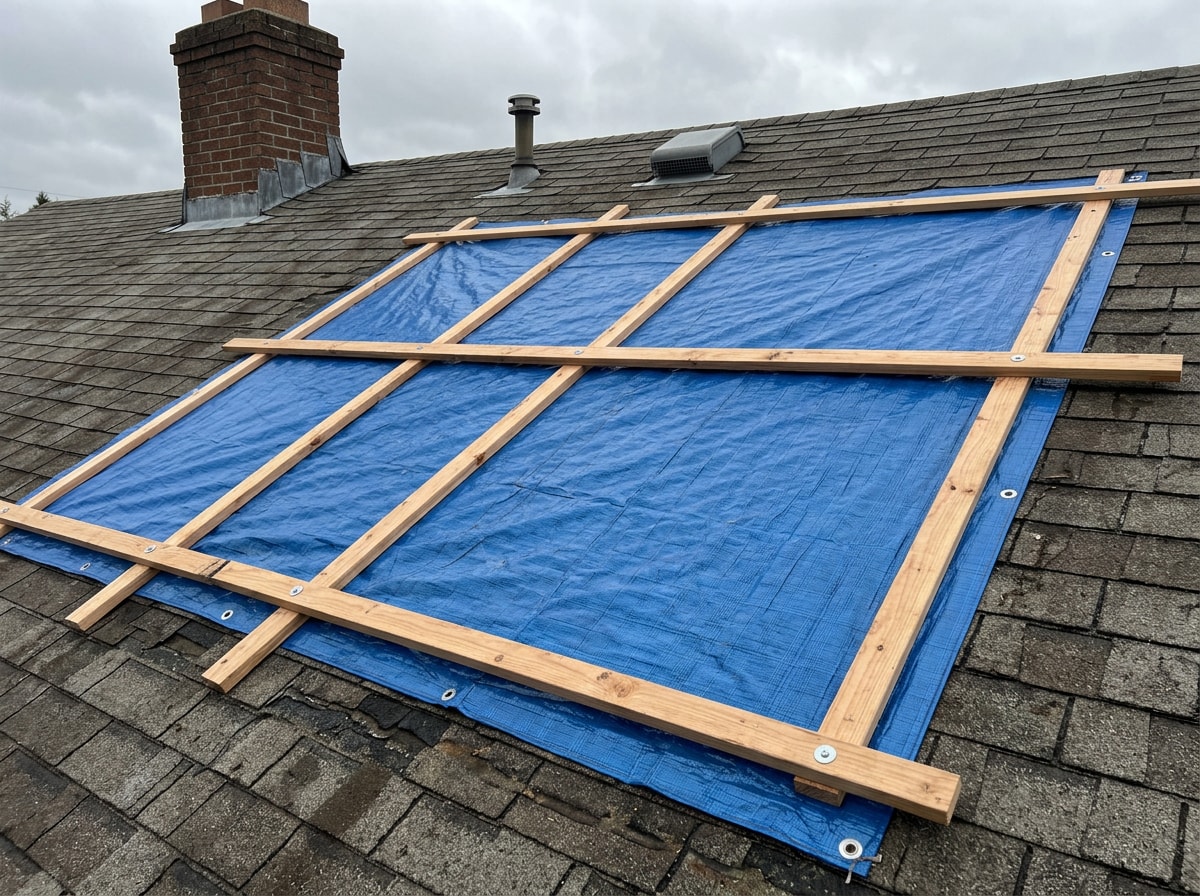
Emergency roof repair exists for the hours right after a storm, when a hole or missing section is actively letting water in.
A responsive local crew offers 24/7 support, starting with a tarp or board-up to stop further water intrusion while a full repair plan comes together. That temporary stabilization should happen within hours, not days. Idaho's Department of Insurance advises homeowners to take exactly this kind of reasonable step to prevent further damage, such as covering roof holes with a tarp, before the full repair begins.
Once the roof is secured, the process shifts to documenting damage, confirming materials, and scheduling the permanent repair or re-roof. For homeowners dealing with roofing storm damage repair in Twin Falls, ID at 2 a.m. during a windstorm, knowing a team will answer the phone and show up matters as much as the repair itself. If a storm just hit, reach out to our storm damage repair team rather than waiting for a scheduled appointment.
Storm Damage Roof Inspection Checklist
After a storm passes, a simple post-storm check can help you decide how urgently you need a professional.
- Walk the perimeter of your home and look for shingle debris, dented gutters, or granules collecting near downspouts.
- Check the attic for daylight, damp insulation, or new stains, using a flashlight along the roofline where the deck meets the walls.
- Photograph everything you find, including debris on the lawn and any interior damage, with a timestamp if your phone supports it.
- Skip the DIY inspection and call a professional if you spot structural sagging, active leaking, or you're not confident on a ladder.
A checklist is useful for a first pass. A trained inspector will still catch details that are easy to miss from the ground.
Homeowners Insurance Claims: What to Expect
Filing a claim after storm damage can feel overwhelming, especially while you're also trying to get the roof fixed. A contractor experienced with storm claims can make the documentation and adjuster meeting go smoother, since they already know what insurers look for.
The typical process starts with thorough photo documentation of every damaged area, inside and out. From there, a contractor can meet the insurance adjuster on-site to point out damage that's easy to overlook, and compare the adjuster's estimate against an independent repair estimate to flag any gaps.
Timelines vary by insurer. Homeowners should generally expect the process, from filing to approved repair, to take anywhere from a couple of weeks to over a month. Idaho's Department of Insurance publishes a free post-disaster claims guide that walks through documentation, adjuster visits, and your rights as a policyholder if a claim stalls.
Do Storm Roof Repairs Need a Permit in Twin Falls?
Whether storm roof repairs need a permit generally comes down to scope.
A straightforward patch, like replacing a handful of shingles or resealing flashing, often doesn't require one. A full re-roof or structural deck repair typically does under most local building codes. Twin Falls permit requirements can vary by project type and neighborhood, so confirm with the local building department before work begins rather than assuming either way. A reputable contractor should be able to tell you whether your specific repair needs a permit pulled. For general background on how residential roofing work is classified under the model codes most jurisdictions adopt, the International Code Council's digital code library is a useful reference point.
Repair Costs: What to Expect
Getting a fair quote starts with an honest, in-person inspection, not a phone estimate. Costs vary by material, roof size, damage extent, and whether insurance is covering part of the bill.
| Repair Scope | Typical Cost Range |
|---|---|
| Minor shingle patch (few square feet) | $300 - $1,000 |
| Larger storm-damaged section | $1,000 - $4,000 |
| Partial re-roof | $4,000 - $9,000+ |
| Full roof replacement | Varies by material and roof size |
During an in-person visit, expect the inspector to walk the roof, document damage with photos, and provide a written estimate breaking down labor and materials. That estimate is useful whether you're paying out of pocket or submitting it to an adjuster.
Preventing Future Storm Damage: Storm-Resistant Roofing Upgrades
Upgrading materials after a repair is one of the most effective ways to reduce the next storm's impact.
| Material | Hail/Wind Performance | Typical Lifespan | Price Premium |
|---|---|---|---|
| Impact-resistant shingles (UL 2218 Class 3/4) | Noticeably better hail resistance than standard shingles | 25-30 years | 10-20% over standard |
| Metal roofing | Strong wind performance; many systems rated well above typical gust speeds | 40-70 years | Highest upfront cost |
| Synthetic/composite roofing | Solid impact resistance, lighter than metal | 30-50 years | Mid-tier |
Impact-resistant shingles often come with insurance discounts that offset part of the added cost over time. Metal roofing goes further still, though the upfront cost runs considerably higher. Synthetic and composite roofing splits the difference between durability and budget.
Material upgrades aside, routine maintenance still matters most: clearing gutters before winter, trimming overhanging branches before windstorms, and scheduling an annual inspection. A roof coating is another option worth considering between full replacements, and our guide to roof coating contractors in Twin Falls, ID walks through when that upgrade makes sense. The IBHS FORTIFIED roofing standards also offer a useful technical reference for how different materials and installation methods perform against real storm conditions.
Choosing a Local, Licensed Roofing Contractor for Storm Repair
Finding the right pro comes down to more than availability. A local, certified roofer understands regional weather patterns, including how wind-driven damage differs from hail season, in a way an out-of-area crew won't.
Before hiring anyone:
- Confirm they're licensed and insured in Idaho
- Ask for proof of workers' compensation coverage
- Check recent local reviews or references
A Twin Falls roofer with a track record in the area is more likely to know local code quirks, have relationships with area suppliers for faster material turnaround, and stick around if a warranty issue comes up later. Our crews have tarped and repaired roofs across Twin Falls and the surrounding Magic Valley through wind events and winter freeze-thaw seasons, which is the kind of local pattern recognition a phone-estimate-only company can't offer.
Vetting credentials takes fifteen minutes and can save you from a rushed, uninsured crew that disappears after the check clears. You can see our coverage of the Twin Falls, ID area or browse our full roofing contractor services before signing anything. Ready for numbers specific to your roof? Get a free estimate rather than relying on a generic online calculator.
Visit our homepage to see the full range of exterior services we handle across southern Idaho.
FAQ
What Counts as Storm Damage?
Storm damage generally includes harm from wind, hail, or falling debris during a specific weather event, something insurers can point to as a sudden cause. Gradual wear, aging shingles, or long-term neglect typically don't qualify, even if a storm reveals the problem.
What Is the 25% Roofing Rule?
The 25% rule is a general concept where, if roughly a quarter or more of a roof section is damaged, some codes or insurers treat the whole section as needing replacement rather than a patch. This varies by local jurisdiction and insurance policy, so confirm specifics with a local inspector or the International Code Council's code resources for your jurisdiction.
Does Homeowners Insurance Cover Roof Replacement From Storm Damage in Idaho?
Most standard Idaho homeowners policies cover sudden, storm-caused damage like wind or hail, but not roofs that fail from age or poor maintenance. Coverage details differ by insurer, so review your specific policy wording or call your agent to confirm.
How Long Do I Have to File a Storm Damage Claim in Idaho?
Filing windows vary by insurance company and policy, often ranging from several months to a year or more after the event. Regardless of the exact deadline, documenting damage and filing promptly after a storm gives you the strongest claim.
Will Filing a Storm Damage Claim Raise My Rates?
A single storm-related claim, especially one tied to a widespread regional event, typically isn't treated the same as an at-fault claim. That said, multiple claims in a short period can affect renewal pricing, so ask your agent how your specific carrier handles it.
What Should I Do Right After a Storm Damages My Roof?
First, make sure everyone's safe and avoid walking on a damaged roof. Then photograph the damage, arrange a temporary tarp if there's active leaking, and contact both a local roofer and your insurer as soon as reasonably possible.