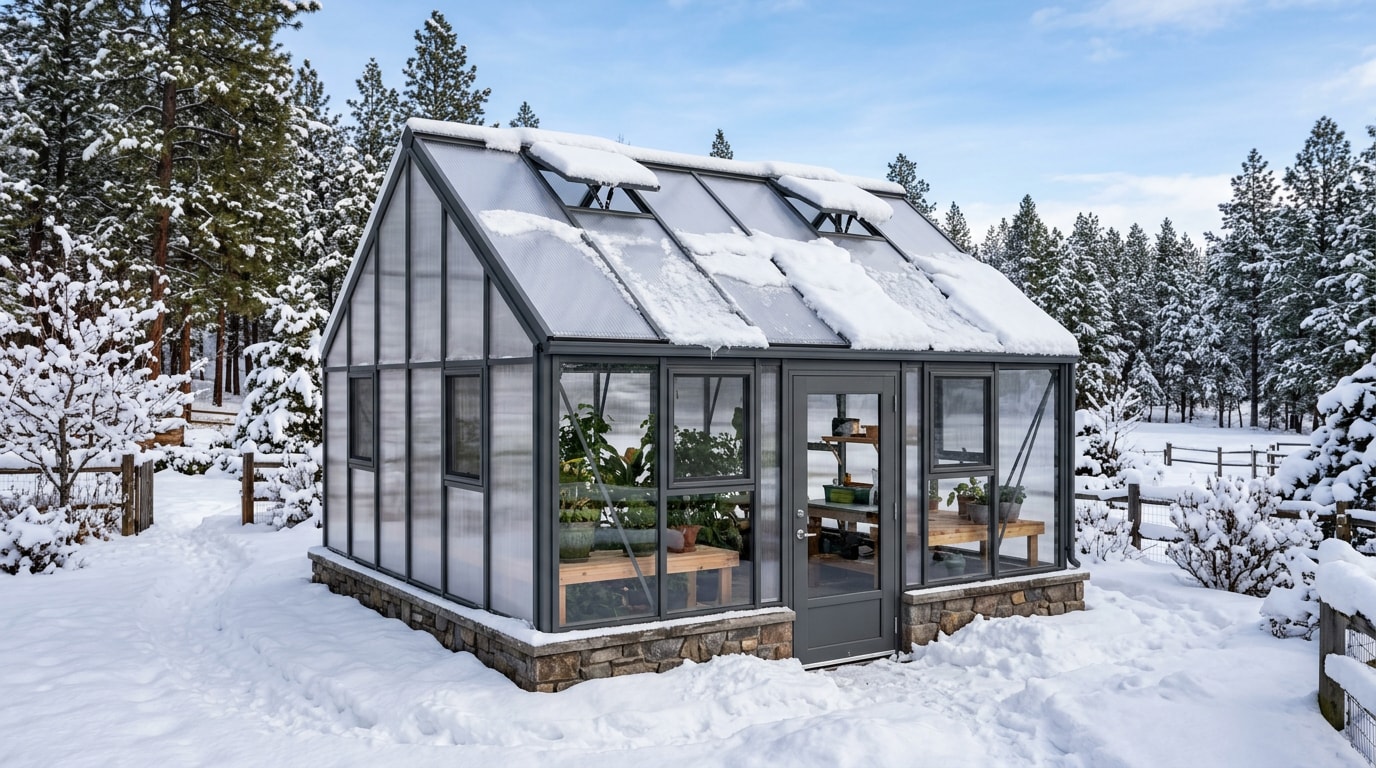
Greenhouse roofing in Boise, ID has to do more than cover your plants. It has to carry Treasure Valley snow, survive freeze-thaw swings, and vent summer heat without falling apart in year three. This guide breaks down what actually separates a roof that lasts from one that doesn't, before you spend a dollar.
Why Boise's Snow Load Rules Decide Your Greenhouse Roof
Every greenhouse roof sold online is engineered for somewhere else first. That's the problem.
Boise's current building code sets a ground snow load of 20 pounds per square foot, and the design roof load can't drop below a uniform 25 pounds per square foot. That number is set locally, and it's higher than what many mass-market kit frames are built around by default.
A rafter spacing and panel thickness that satisfies a mild-climate listing photo doesn't automatically satisfy that number. If you're buying a kit site-unseen, ask the seller directly what roof snow load their standard frame is rated for, and compare it against Boise's minimum before you check out.
Three other factors shape the decision alongside snow load:
- Freeze-thaw cycling. Repeated freezing and thawing stresses seams, fasteners, and panel edges over a winter, not just once.
- Summer ventilation. Glazed structures trap heat fast, so roof vent sizing matters as much as the glazing itself.
- Foundation sizing. A roof rated for local loads still needs a foundation and frame built to carry that load to the ground.
Kit, Prefab, or Custom: Comparing Greenhouse Roofing Options
Most "greenhouses for sale" listings fall into categories that aren't interchangeable, and it's worth knowing the difference before you commit.
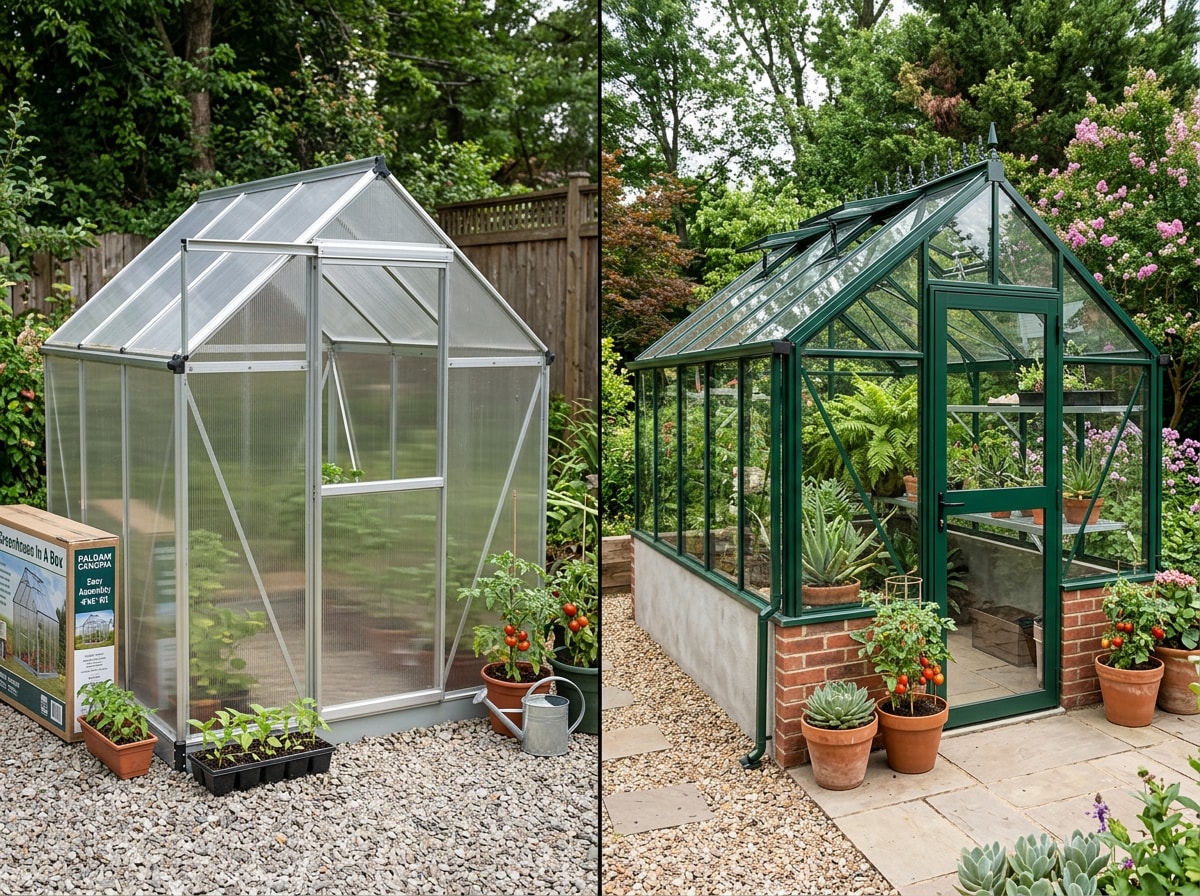
Off-the-Shelf Kits
A boxed kit is typically the cheapest upfront option. Sizes are standardized, you assemble it yourself, and the roof is often not rated for Idaho snow load or wind without aftermarket reinforcement.
Trade-offs to expect with a standard kit:
- Limited size and layout options
- Lightweight materials that may not hold up long-term in Boise's climate
- No local support if a panel cracks or a seam fails mid-winter
Custom-Built Greenhouse Roofing
A custom build starts with your site and climate, not a factory template. Materials, rafter spacing, and foundation work are matched to local snow and wind requirements from day one, and you have a local point of contact if something needs attention later.
The trade-off is a higher upfront cost and a longer lead time than ordering a box off a shelf. For homeowners weighing that same kind of upfront-cost-versus-longevity decision on their main roof, our residential re-roofing guide for Meridian homeowners walks through the same math.
If you're leaning custom, our roofing contractor team builds to Idaho snow and wind specs rather than a generic template.
Greenhouse Roofing Glazing Materials Compared
Glazing choice matters as much as the frame underneath it. Here's how the three common options stack up.
| Glazing | Typical Light Transmission | Insulation | Common Lifespan |
|---|---|---|---|
| Polyethylene film | 85-87% single layer | Low | 3-5 years |
| Single-pane glass | Highest of the three | Lowest (higher heat loss) | 20-30+ years |
| Twin-wall polycarbonate | Moderate, diffused | Higher than glass | 10-20 years with UV coating |
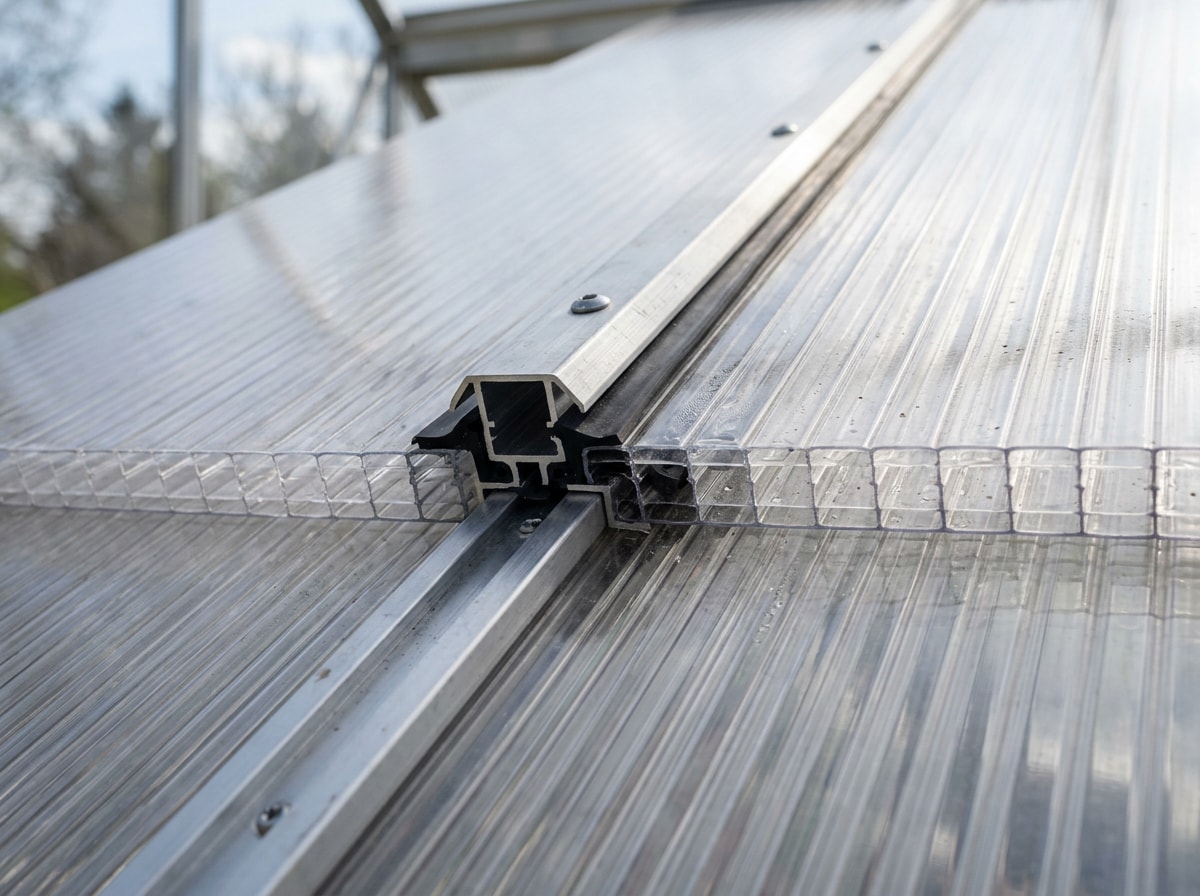
Polyethylene film is the cheapest option, but standard film has a light transmittance of roughly 85 to 87% for a single layer, and it degrades with UV exposure faster than rigid glazing, which is why it typically needs replacing every few seasons rather than lasting decades like glass or polycarbonate.
Glass transmits the most light of the three, but it also has a higher thermal conductance than most rigid alternatives, meaning it loses heat faster on cold Boise nights and costs more to run through winter. It's also the least forgiving option in hail or heavy snow impact.
Twin-wall polycarbonate splits the difference: it insulates better than single-pane glass, diffuses light more evenly across the canopy, and resists impact well. For a deeper technical breakdown of how each material performs, Virginia Tech's Cooperative Extension publishes a detailed comparison of greenhouse glazing materials worth reviewing before you buy.
Craftsmanship Details That Affect Roof Longevity
Build quality affects roof longevity as much as the material itself. In our inspections across the Treasure Valley, the greenhouse roofs that fail early almost always share the same two weak points: under-sized vents and thin fastener hardware at the ridge.
A few details worth asking any builder or kit manufacturer about directly:
- Frame warranty length and whether it covers structural failure, not just finish
- Panel thickness and whether it's backed by a written warranty against yellowing or cracking
- Vent frame sealing, since a poorly gasketed vent is where most moisture and pest problems start
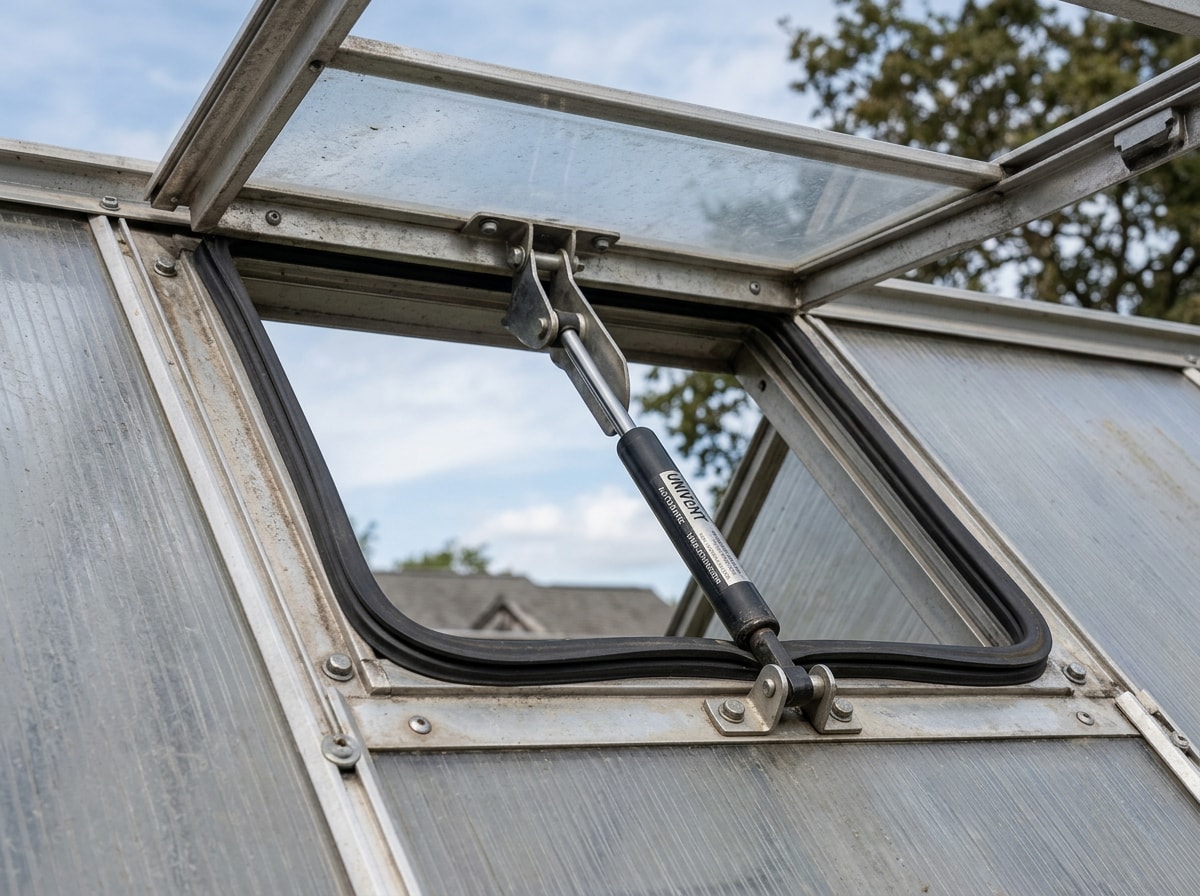
Vent sizing is not a cosmetic detail. Agricultural engineering guidance recommends that combined roof and sidewall vent area each equal roughly 15 to 20% of the greenhouse's floor area for adequate summer air exchange. A roof with one undersized vent will cook your plants by July no matter how good the glazing is.
If hail or a windstorm has already damaged an existing greenhouse or attached structure, our storm damage repair team can assess whether panels, framing, or flashing took the hit.
Installation: DIY Kit vs. Professional Build
Modern kits are built for simpler installation, with pre-finished panels that require no on-site cutting. That makes a weekend DIY build realistic for a small hobby structure.
For anything larger, custom, or attached to an existing structure, professional installation protects the warranty and the foundation work underneath it. Our roof installation crews serving the Boise area can walk you through realistic turnaround time before you order materials.
If you're unsure whether an existing structure's roof can even support new glazing or a reinforcement retrofit, a roof inspection answers that before you spend money on materials that won't fit the frame.
Greenhouse Roofing Cost in Boise: Kit vs. Custom
Exact pricing depends heavily on size, glazing, and site prep, but here's the general shape of the decision:
| Option | Typical Starting Range | Snow/Wind Rating |
|---|---|---|
| Boxed hobby kit (8x8 to 10x12) | Low thousands | Often needs reinforcement for local code |
| Prefab retail structure | Mid-range | Varies by manufacturer, confirm specs |
| Custom-built roof | Highest upfront, lowest lifetime cost per year | Engineered to Boise snow and wind requirements |
Kits generally cost less upfront. Custom roofing costs more initially but spreads that investment over a much longer usable lifespan, which is why a site-specific quote matters more than comparing sticker prices alone. Get a free estimate before you commit to either path.
FAQ
Do I need a permit for a greenhouse roof in Boise, ID?
It depends on size and structure type, and the threshold varies by jurisdiction within Ada County. Ada County's code exempts certain one-story detached accessory structures under 200 square feet from a building permit, but that exemption applies to specific structure types, not automatically to every greenhouse. Confirm your specific project with Ada County's Permitting Division before you build.
What size greenhouse roof is best for a Boise backyard?
Size is dictated by your yard and intended use, not a universal standard. Custom layouts are commonly built in two-foot increments, with 8x12 and 12x16 being popular value sizes for hobby growers.
Are prefab greenhouse roofing kits worth it in Idaho's climate?
For light hobby use in a sheltered spot, a kit can work fine. Most kits aren't engineered for Boise's snow load minimums out of the box, though, so they often need reinforcement or wear out faster than a custom structure. Weigh that against the lower sticker price before buying.
How much does a custom greenhouse roof cost compared to a kit?
Kits generally run lower upfront. Custom roofing costs more initially but spreads that investment over a longer usable lifespan, so get a site-specific quote before comparing numbers directly.
How do automatic roof vent openers work?
Most use a wax-filled metal cylinder that expands as it heats, pushing an elbow mechanism that lifts the vent without electricity. They're reliable for passive cooling, though larger or south-facing structures often need powered backup ventilation on the hottest days.
What's the biggest mistake people make with greenhouse roofing in Boise?
Buying a kit rated for a mild climate without checking its snow load rating against local code. It's the single most common reason greenhouse roofs here fail or collapse within the first few winters.
Ready to compare options for your property? Contact Bullseye Exteriors for a free, no-pressure estimate on custom greenhouse roofing built for Boise winters, or visit our homepage to see our full range of exterior services.